
Grease Trap
Avoiding Grease Trap Overflows: A Restaurant Owner’s Checklist
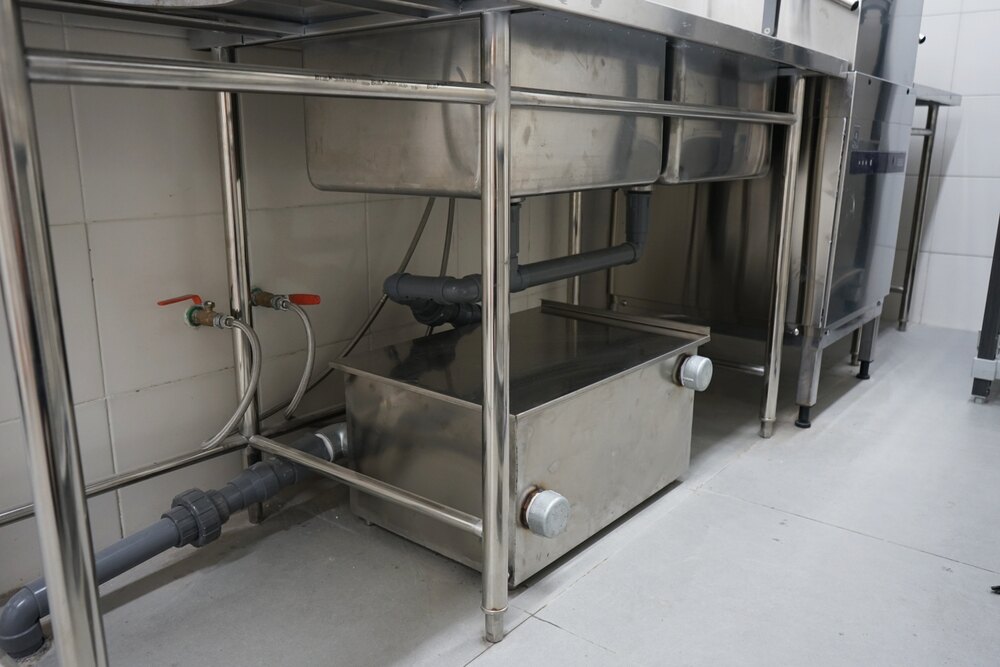
A grease trap overflow during a Friday night dinner rush is every kitchen manager’s worst nightmare. Beyond the immediate health hazard and appalling odor, an overflow can lead to emergency shutdowns, hefty municipal fines from Clark County agencies, and expensive cleanup bills. The hot climate in Southern Nevada speeds up the breakdown of organic waste,…
Read MoreGrease Trap Emergencies: Warning Signs That Mean You Need Service Now
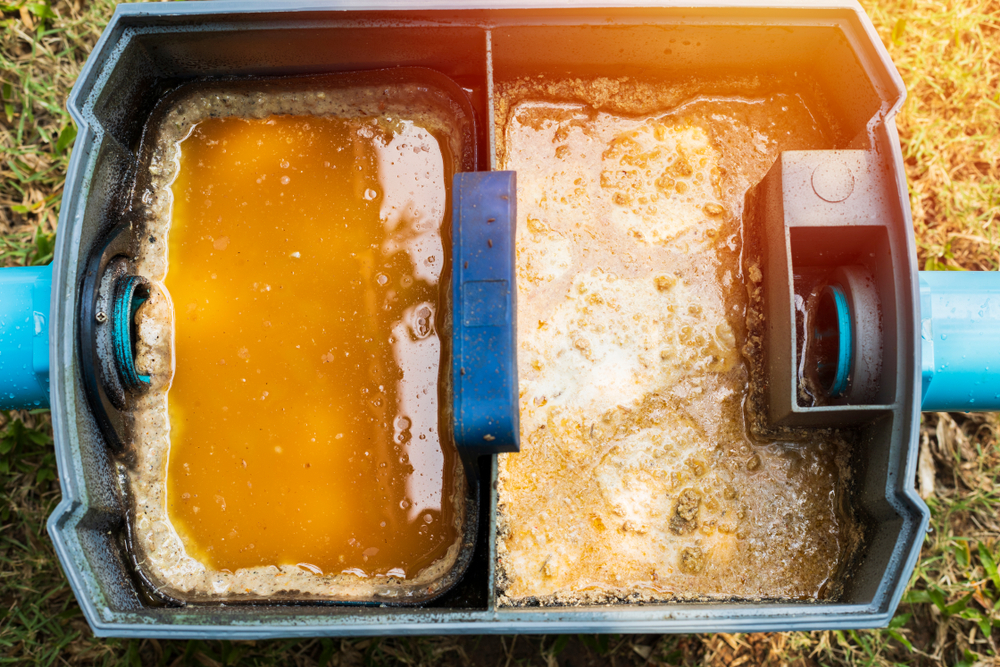
A grease trap backup can show up at the worst possible time, usually during a busy service rush, and it brings foul odors, slow drains, and the very real possibility of a health code violation with it. If you run a commercial kitchen in the area, grease trap cleaning in Henderson, NV is your restaurant…
Read MoreGrease Trap Additives: What They Help With, What They Don’t, and Other Common Myths Answered
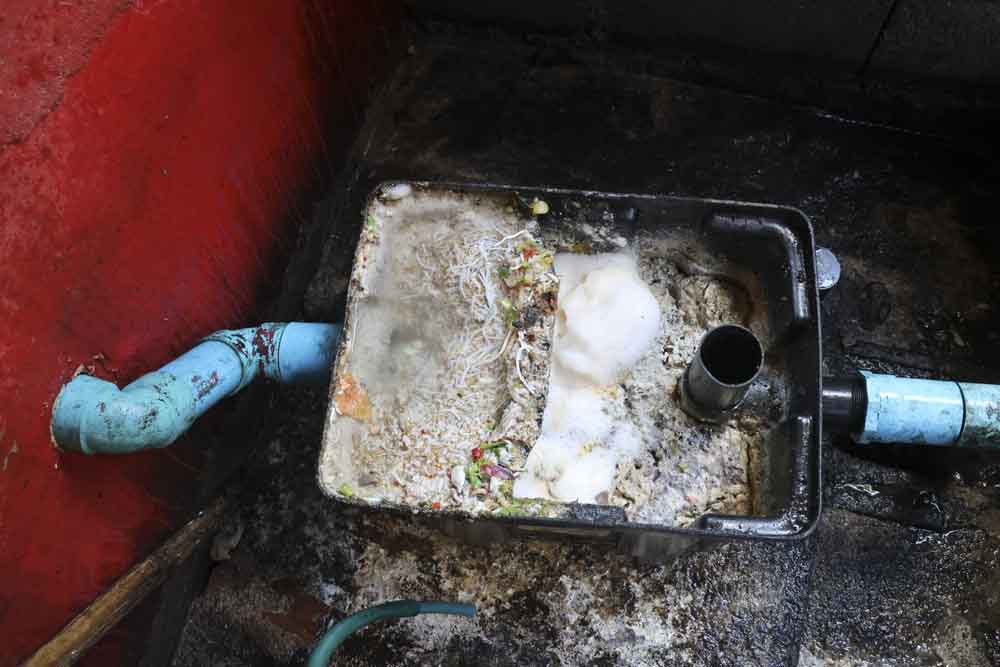
Grease trap additives can help control odors and slow grease buildup, but they are not a substitute for pumping, inspections, or cleaning. Grease still collects inside the system, even when additives are used regularly. It’s helpful for businesses that routinely need grease trap cleaning in North Las Vegas, NV to understand the difference between helpful…
Read MoreFrom Our Service Logs: The Truth About Grease Trap Pumping Schedules
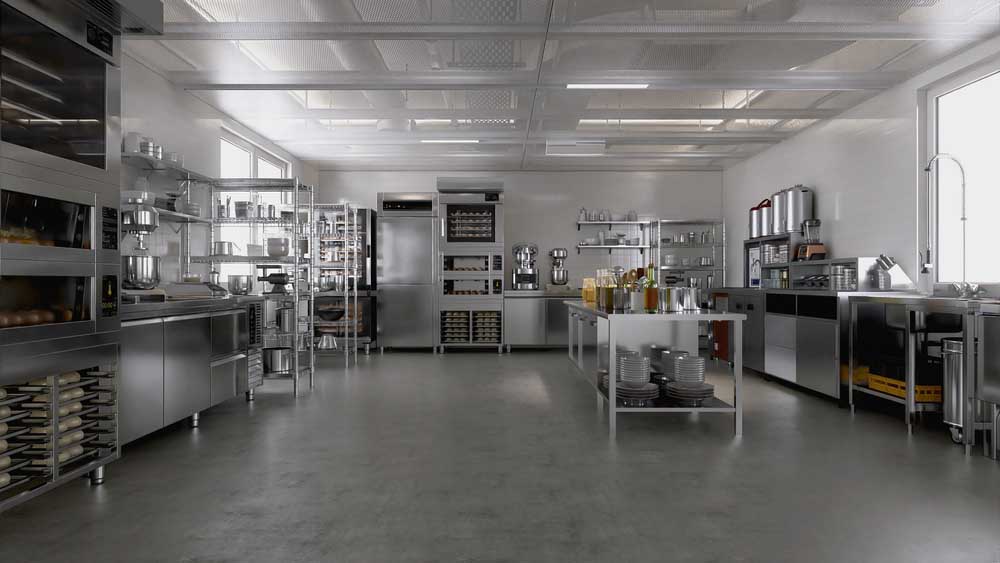
Grease trap pumping is essential for keeping kitchens functional and free from blockages. The frequency depends on the size of the trap, the volume of food waste, and how often the kitchen operates. Most commercial kitchens need pumping every 1-3 months, while residential units generally require it less often. Delaying pumping allows grease and solids…
Read MoreGrease Trap Maintenance for Food Trucks: Special Considerations

Running a food truck comes with its own set of challenges, and one of the most critical often overlooked is grease trap maintenance. Grease buildup can slow down operations, create unpleasant odors, and even attract pests if not managed properly. We understand that for mobile kitchens, space is limited, schedules are tight, and every hour…
Read MoreShould You DIY Grease Trap Cleaning? Here’s Why Most Businesses Don’t
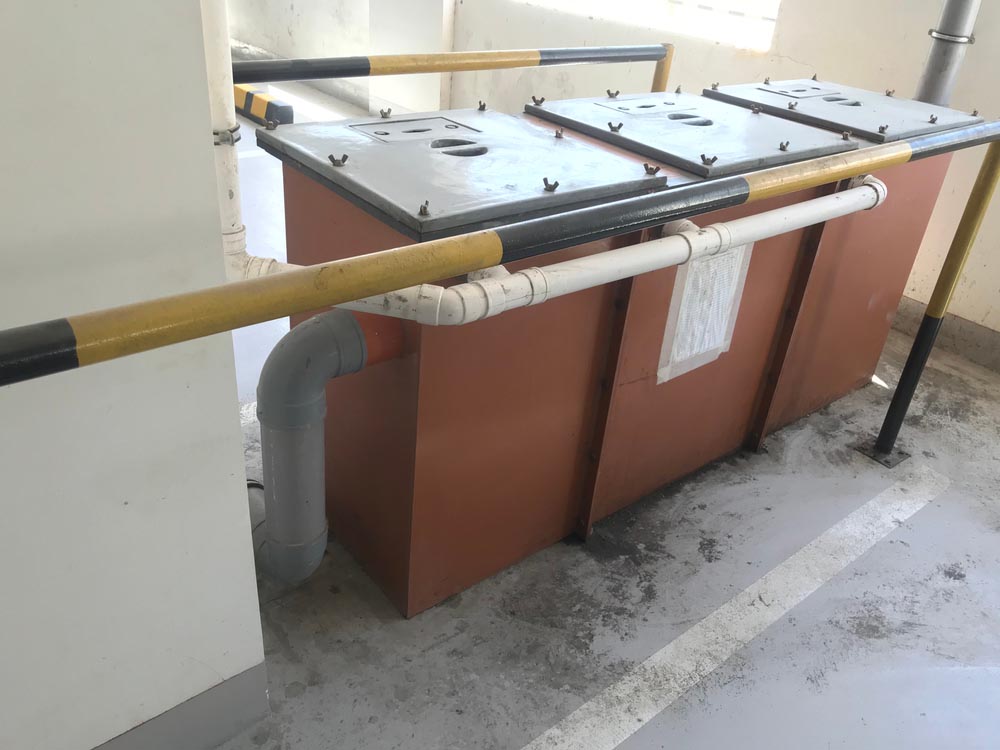
Grease traps are easy to forget about until they become a major problem. In busy kitchens, fats, oils, and grease build up faster than most owners expect, and the results can be costly. Overflow, foul odors, and even city code violations can follow if the trap isn’t properly handled. That’s why so many business owners…
Read MoreThe Grease Trap Mistake That’s Draining Your Budget
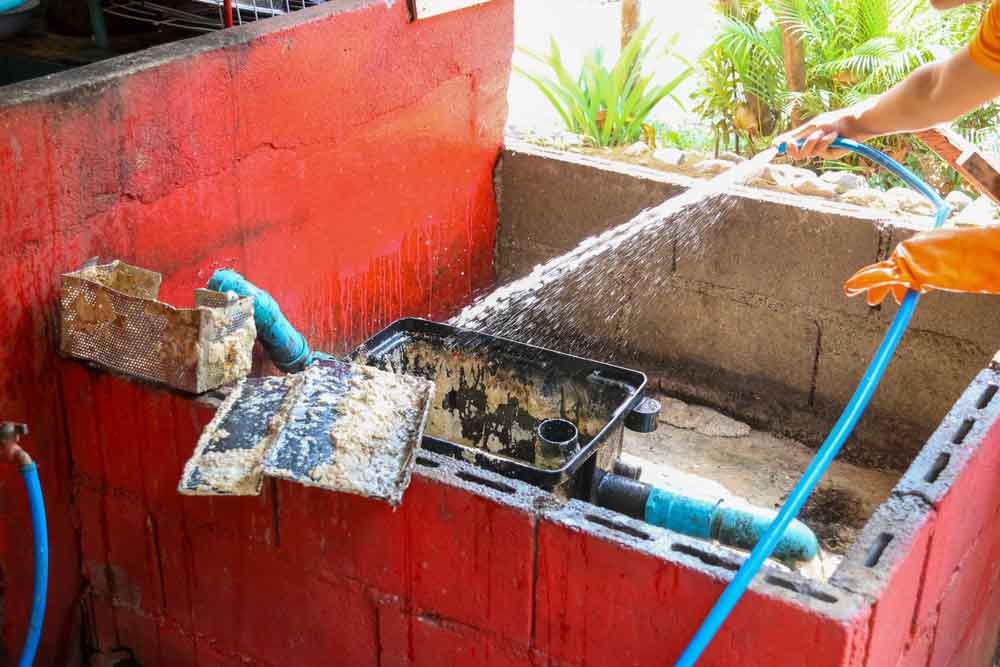
Trying to manage your own grease trap can seem like a great way to cut costs, until it isn’t. Businesses often underestimate the complexities involved and end up paying far more to fix the fallout than they ever saved upfront. Grease trap cleaning in Las Vegas, NV, isn’t just a matter of scooping out waste;…
Read MoreLaundromat Lint Traps: The Debris You Didn’t Know Was There
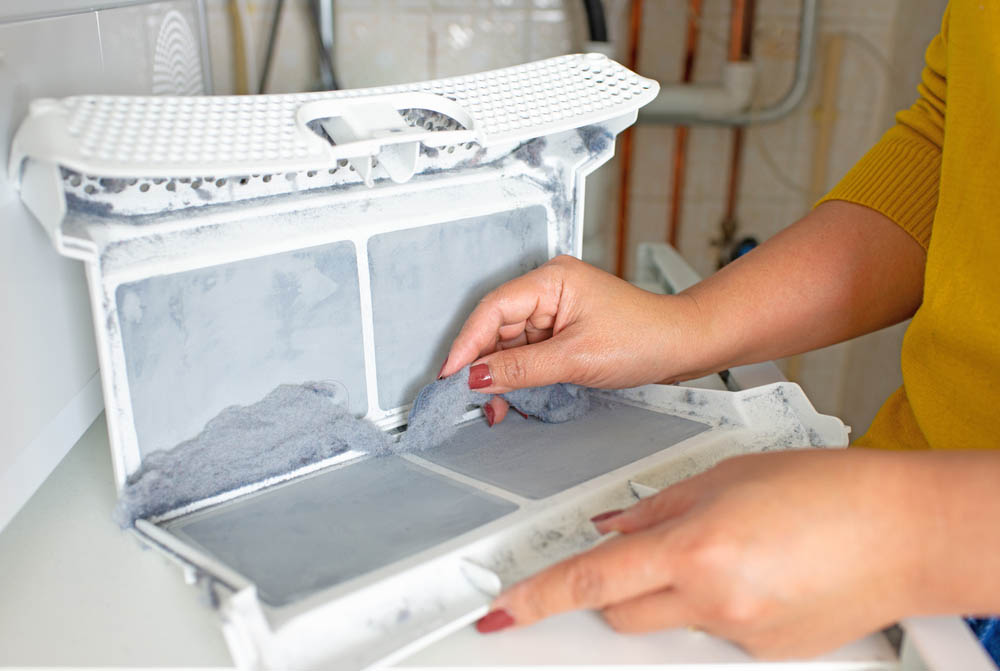
Lint traps might seem like simple components, but in a commercial setting like a laundromat, they play a much bigger role than most realize. When neglected, the buildup inside these traps can lead to slow drainage, costly damage, and even septic system issues. For businesses that depend on high-volume laundry cycles, laundromat lint trap maintenance…
Read MoreHow Often Should You Really Pump Your Grease Trap?

Relying strictly on a set schedule for grease trap maintenance can lead to problems. Every kitchen is different, and waste levels vary. That’s why the “every three months” rule doesn’t always hold up. Pumping too early or too late can cause inefficiencies, added costs, or even system issues. When it comes to grease trap pumping…
Read MoreThe Greasy Truth Behind Persistent Restaurant Smells

Strong, unpleasant odors can quickly turn customers away from even the most popular restaurants. While many factors contribute to foul smells, neglected grease traps are often a major culprit. When these systems are not properly cleaned and maintained, grease buildup creates a breeding ground for bacteria, leading to persistent, rancid odors that seep into the…
Read More