
Posts by Las Vegas Septic Service
The Link Between Landscaping and Septic Pumping Efficiency
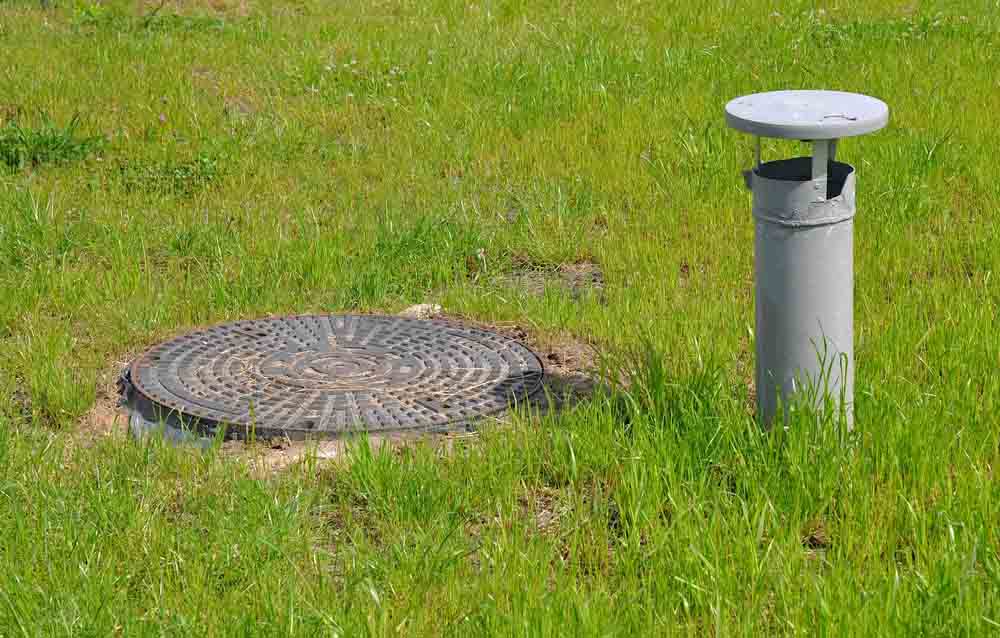
Landscaping brings life and style to any property, but what you add to your yard can affect how well your septic system functions—and how easily technicians can maintain it. Decorative choices like plantings, stone paths, and fences may seem harmless, but they can create costly complications over time. At Las Vegas Septic Service, we’ve seen…
Read MoreThe Grease Trap Mistake That’s Draining Your Budget
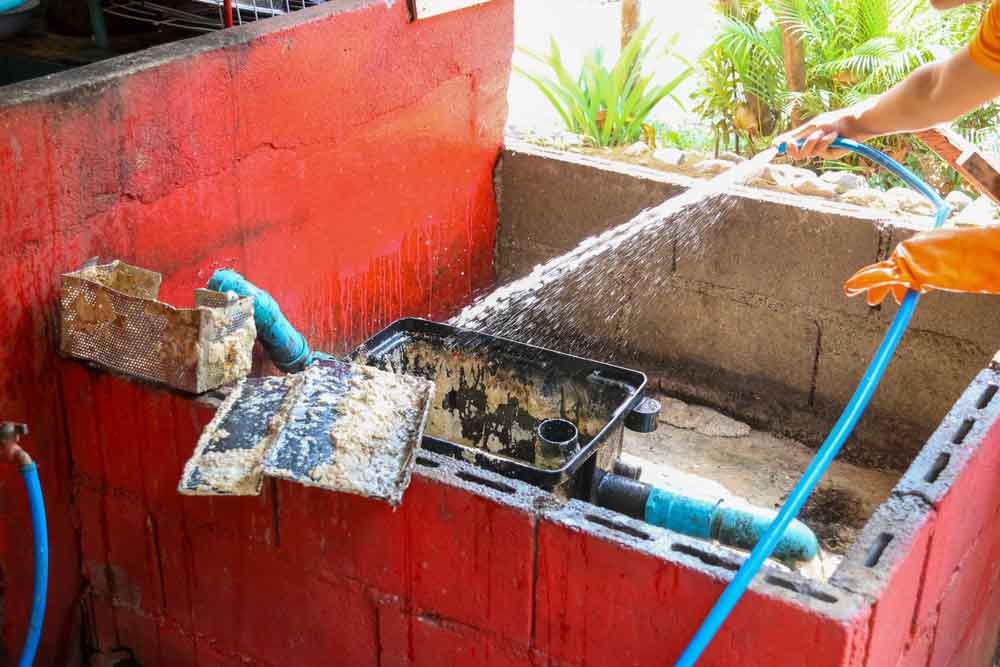
Trying to manage your own grease trap can seem like a great way to cut costs, until it isn’t. Businesses often underestimate the complexities involved and end up paying far more to fix the fallout than they ever saved upfront. Grease trap cleaning in Las Vegas, NV, isn’t just a matter of scooping out waste;…
Read MoreFailure Points in Lift Station Pumps and How to Address Them
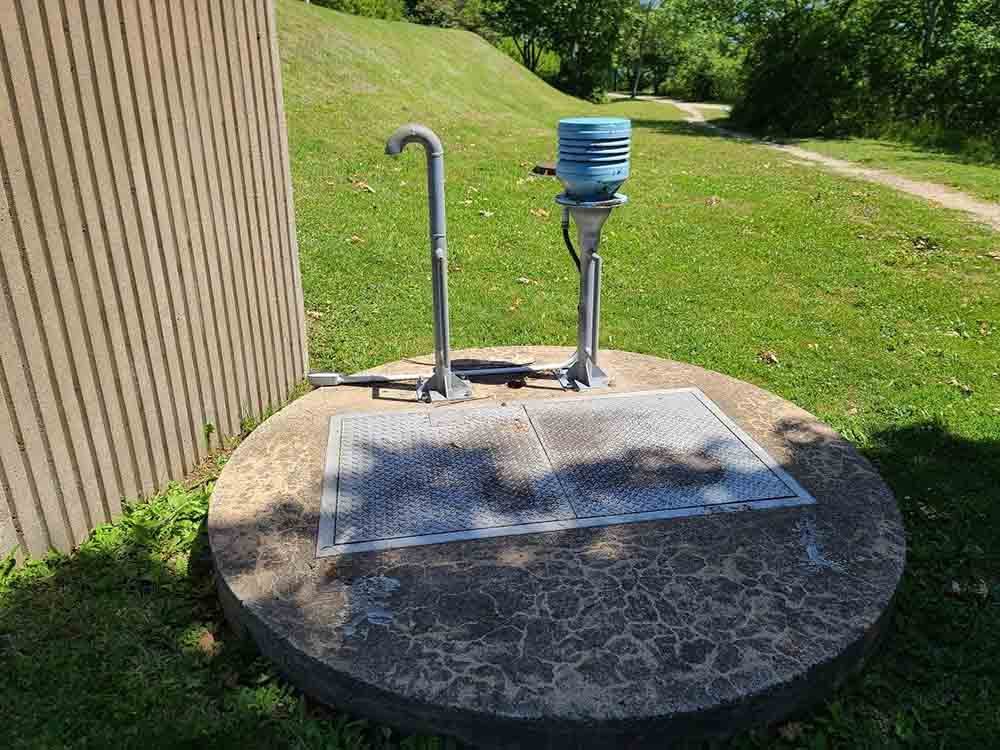
When a sewage lift station fails, the impact is immediate—backups, health risks, and costly shutdowns. For operators and commercial property owners, recognizing the early signs of trouble and staying ahead of routine lift station maintenance can prevent the most common causes of breakdown. A functioning system depends not just on equipment, but on how well…
Read MoreWhat Really Happens Inside a Sand/Oil Separator?

Every day, commercial garages, car washes, and auto repair shops deal with oily runoff and debris from regular operations. That wastewater can’t just flow into municipal systems untreated. That’s where a sand/oil separator in North Las Vegas, NV comes into play. It does more than just collect grime—it plays a critical role in environmental compliance…
Read MoreThe Unique Challenges of Locating Septic Systems on Commercial Properties
Locating a septic system on a commercial property isn’t always straightforward. At Las Vegas Septic Service, we’ve worked on older motels, schools, and rural facilities where original records are missing or outdated, previous renovations have buried access points, and overgrown lots make visual indicators unreliable. These septic locating challenges demand precision, experience, and the right…
Read MoreBetter Materials, Longer-Lasting Holding Tanks
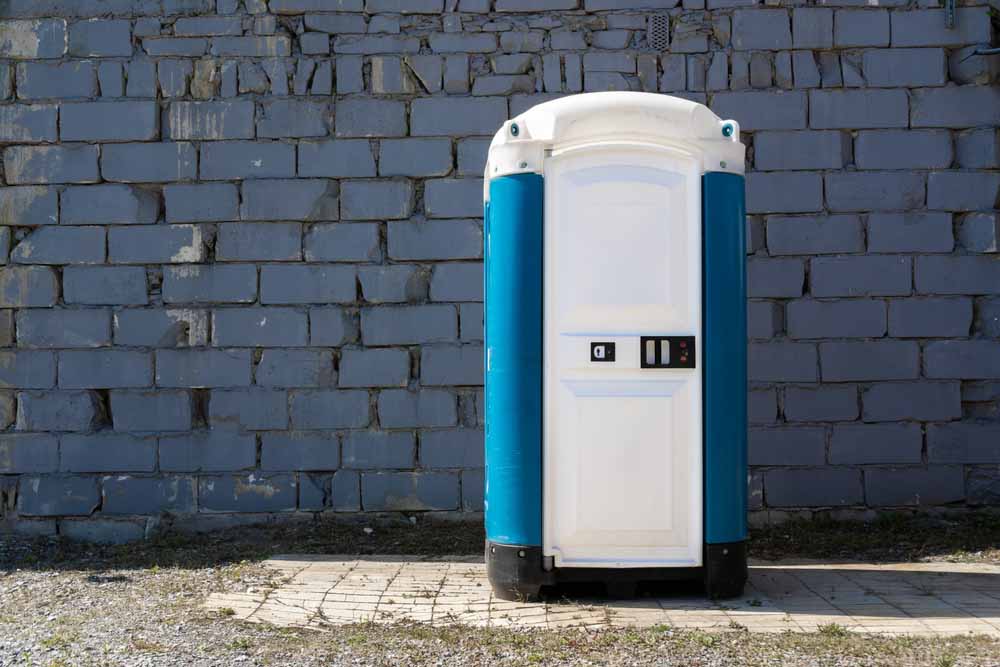
Not all holding tanks are created equal. While many may look similar on the surface, the quality of materials used, the strength of their construction, and how they’re maintained can mean the difference between reliable service and costly setbacks. For job sites, events, and remote operations, a dependable waste holding tank isn’t a luxury—it’s a…
Read MoreIs Your House Interceptor Working Properly? 5 Signs It’s Time for Cleaning
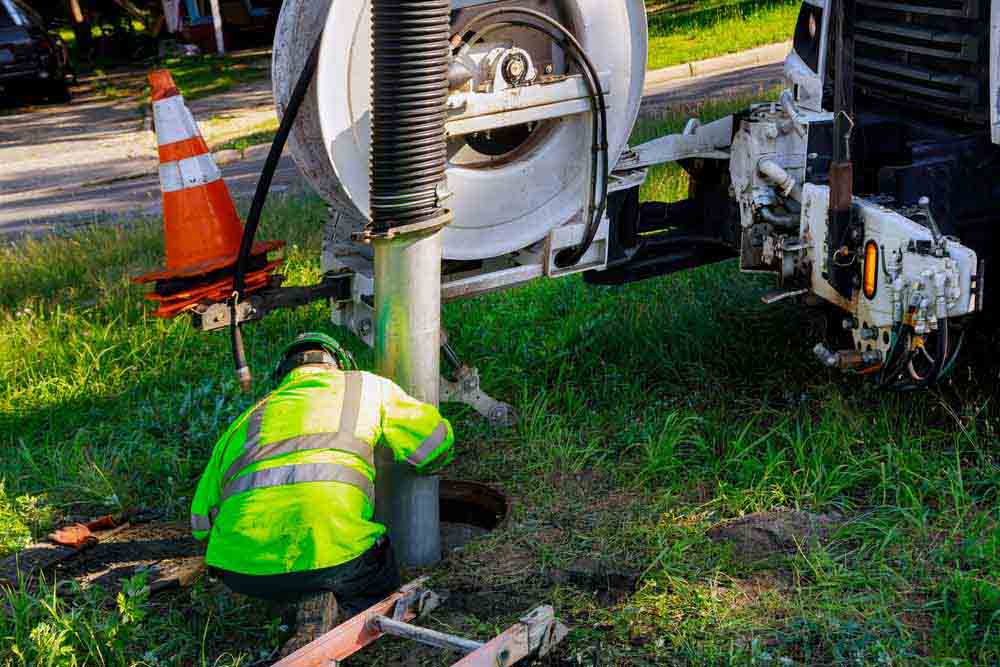
When a grow house interceptor or residential interceptor isn’t cleaned on time, problems don’t just stay underground—they rise fast, bringing odors, clogs, and even visible overflow. Whether you’re managing a grow operation or maintaining a home, overlooking house interceptor maintenance can quickly lead to major headaches. Spotting trouble early makes all the difference, and it…
Read MoreLaundromat Lint Traps: The Debris You Didn’t Know Was There
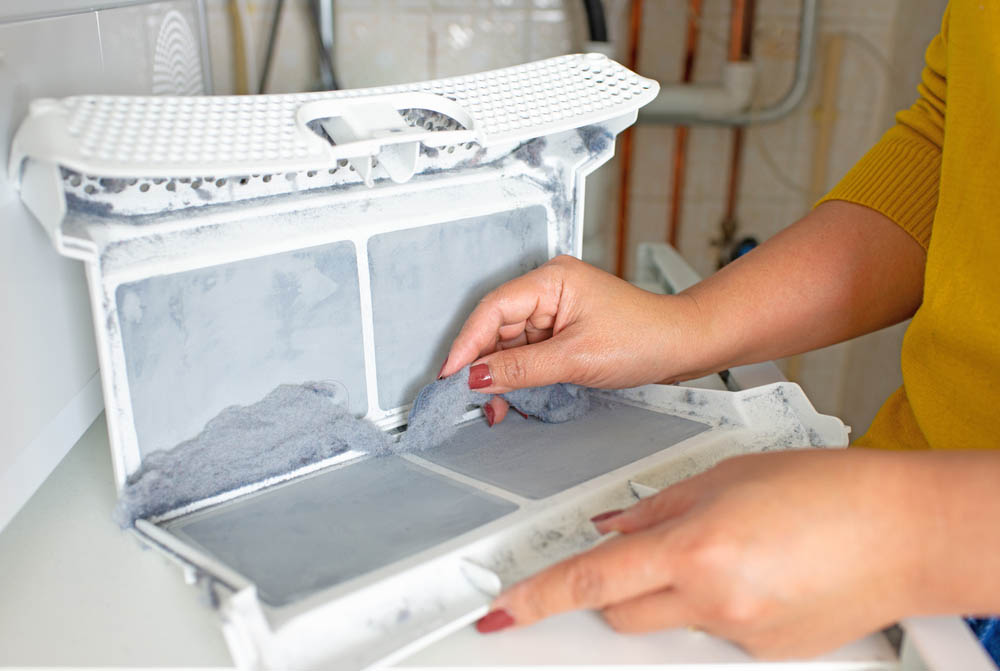
Lint traps might seem like simple components, but in a commercial setting like a laundromat, they play a much bigger role than most realize. When neglected, the buildup inside these traps can lead to slow drainage, costly damage, and even septic system issues. For businesses that depend on high-volume laundry cycles, laundromat lint trap maintenance…
Read MoreHow Often Should You Really Pump Your Grease Trap?

Relying strictly on a set schedule for grease trap maintenance can lead to problems. Every kitchen is different, and waste levels vary. That’s why the “every three months” rule doesn’t always hold up. Pumping too early or too late can cause inefficiencies, added costs, or even system issues. When it comes to grease trap pumping…
Read MoreSeptic System Checkups: Should You Pump Before the Inspection?

When your property relies on a septic system, regular inspections are key to avoiding costly repairs and keeping everything running smoothly. But there’s one question that tends to cause confusion—should you pump the tank before or after a septic inspection? The short answer: hold off on pumping until after the inspection is complete. Why Timing…
Read More