

Wastewater Compliance: How Much Maintenance Does a Sand and Oil Separator Need?

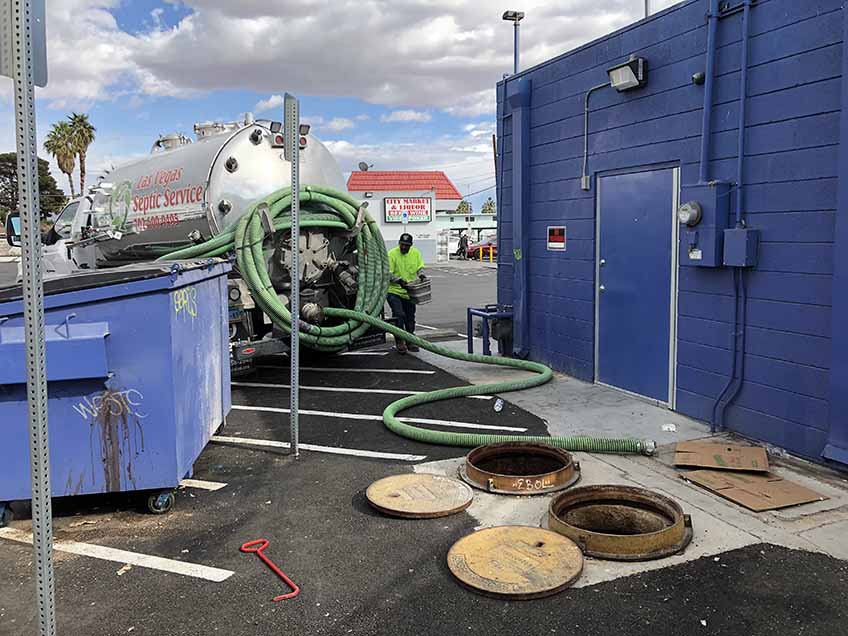
Wastewater systems in the Las Vegas area carry sand, grit, and oil before discharge. When these systems fall out of alignment with local requirements, facility managers find themselves in flux, triggered by the need for inspections and operational disruptions that follow.
Maintenance is a must to keep your sand/oil separator in Las Vegas, LV, working well, but how much maintenance is actually necessary? Read on as Las Vegas Septic Service explores the role of maintenance and how it can reduce uncertainty during audits and routine checks.
Routine System Performance Matters
Like most machines, even well-designed separators lose efficiency when sediment layers accumulate or oil coalescence components become saturated. That said, sand/oil interceptor services are often scheduled based on facility type, flow rate, and waste load.
In automotive bays, food production areas, and equipment wash stations, heavier sediment loads can shorten the time between service intervals. Ignoring these patterns can result in reduced separation performance and increased inspection scrutiny.
Staying Ahead Of Regulatory Requirements
One of the most common gaps we see during inspections involves missed service intervals and incomplete records. Facilities that rely on sand/oil interceptor services tend to maintain more consistent performance because buildup is addressed before it reaches a critical level.
Regulations often reference local discharge limits for total suspended solids and hydrocarbons, which means separators must consistently remove both sand and oil residues from wastewater streams.
Maintenance Practices That Support Compliance
Regular servicing is only part of the system lifecycle. Sand/oil interceptor maintenance also involves inspection of internal baffles, flow controls, and access points to confirm that separation chambers are functioning as intended. Cleaning schedules are typically guided by manufacturer specifications and local wastewater discharge standards rather than a one-size-fits-all timeline.
Common indicators that maintenance is due include:
- Slower drainage at collection points
- Visible oil sheen in downstream sampling points
- Sediment buildup near inlet structures
- Irregular flow during peak operating hours
- Operational Risks Facilities Often Overlook
Other Issues
A less obvious issue is the impact of variable wastewater loads. Sand/oil interceptor services may be compliant on paper, but still fall short when production surges or cleaning cycles change unexpectedly. This is often seen in facilities with seasonal demand shifts or mixed-use operations where wash water volumes fluctuate significantly.
Another concern is documentation gaps. Inspectors often review service logs, disposal manifests, and cleaning records alongside physical system conditions to confirm consistency with local discharge requirements.
FAQs
How often should a sand oil separator be inspected?
Inspection frequency depends on usage intensity, but many facilities benefit from quarterly checks supported by periodic sampling.
What happens if buildup is not removed on schedule?
Reduced separation efficiency can lead to noncompliant discharge readings during inspections.
Are service records required during audits
Yes, documentation is commonly reviewed to confirm that sand/oil interceptor maintenance aligns with regulatory expectations.
Maintenance frequency on your sand/oil separator in Las Vegas, NV, is usage-dependent. However, it’s important to note that facility performance is closely tied to how consistently wastewater treatment components are serviced.
Las Vegas Septic Service supports commercial sites with structured scheduling, responsive service visits, and technicians trained in separator systems. Call us today for practical maintenance planning and reliable field execution across both commercial and residential properties.

SCHEDULE SERVICE

Our Services
Contact Las Vegas Septic Service Today
If you are looking for a septic service company in Las Vegas, NV, or nearby areas, then be sure to contact us here at Las Vegas Septic Service. No matter what septic tank problem you have, we can help you, so call us today or fill out the online form to schedule your appointment.
