

Designing a Laundromat with Lint Control in Mind

Good laundromat design is about more than fitting washers and dryers into a space. It also means planning for the lint generated every day so it can be collected before it affects drains, vents, or mechanical equipment. A well-designed laundromat lint trap in North Las Vegas, NV is one example of how thoughtful planning supports cleaner operations and easier maintenance. At Las Vegas Septic Service, we work with commercial properties to help those systems perform as intended.
Good Layout Starts With the Drain Lines
Layout begins with mapping where water and lint travel, not just where machines look nice against a wall. Every washer sends a steady stream of fibers into the drain system, and that lint has to land somewhere before it reaches the sewer line. Grouping washers together near a shared drain run makes laundromat lint trap installation more effective, since one properly sized trap can catch fibers from several machines instead of scattering small traps across the building. Spacing dryers away from washers also keeps heat and moisture from mixing in ways that cause condensation and mold along walls.
A few layout choices tend to separate laundromats that run clean from ones that fight lint constantly:
- Placing washers on a shared drain line near one central trap
- Keeping dryer banks along an exterior wall for short, straight vents
- Leaving clearance behind machines for cleaning and repair access
- Sloping floors slightly toward drains so lint moves out with wastewater
Why Vent Runs Should Stay Short and Simple
Dryer venting is where a lot of laundromats run into trouble. Long, twisting vent runs slow down airflow and give lint more places to settle before it reaches the outside. The National Fire Protection Association reports that failure to clean is the top cause of home clothes dryer fires, and the same risk applies to commercial dryer banks running for hours without a break (source: nfpa.org). Short, straight vent runs with as few turns as possible move air and lint out fast instead of letting it collect inside the wall.
A handful of venting problems show up again and again in older laundromats:
- Long duct runs with multiple 90 degree turns
- Crushed or kinked flexible ducting behind machines
- Vent covers that trap lint instead of releasing it outward
- Shared vent lines not sized for the true number of dryers running at once
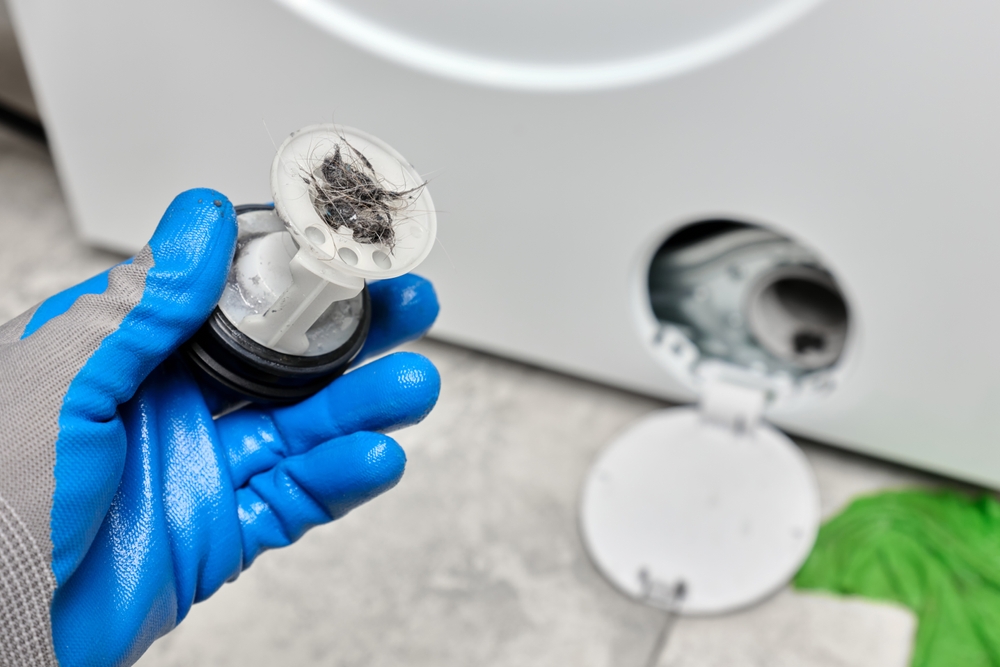
None of this holds up over time without easy access for laundromat lint trap maintenance. A trap buried behind a wall or tucked under a bank of machines gets skipped, and a skipped trap backs up drains and pushes lint further into the sewer line than it should ever travel. Traps deserve their own access panel, or at least a clear path, so staff can pull covers, scoop out fiber, and check flow without moving equipment first.
Where Traps Belong in the Floor Plan
Access panels work best when placed along a walkway instead of tucked into a corner behind a folding table. Traps also need to sit at a low point in the drain line, since lint and water both follow gravity, not convenience. When a trap is easy to reach, staff tend to check it weekly instead of waiting for a slow drain to force the issue. That one design choice, made early, saves a lot of headaches once the laundromat opens for business.
Common Questions From Laundromat Owners
Q: How often should a laundromat lint trap get cleaned?
Most commercial laundromats need trap cleaning every one to two weeks. High traffic locations may need it weekly.
Q: Can lint buildup really cause a fire?
Yes. Lint is highly flammable, and blocked vents trap heat instead of releasing it outside, which raises fire risk over time.
Q: Do laundromats need a separate trap for each washer?
No. A single, properly sized trap can usually handle several washers sharing the same drain line.
Q: What’s the biggest sign a lint trap needs attention?
Slow draining washers or a musty smell near the drain area are usually the first signs.
Let’s Plan Your Laundromat’s Drainage the Right Way
Owners planning a new laundromat, or updating an old one, can call on our team for guidance on layout, venting, and trap placement before the plumbing goes in. Our knowledgeable technicians bring hands-on know-how to residential and commercial properties alike, and every visit comes with clear, transparent pricing so there are no surprises on the invoice. We show up with fast response times, keep things friendly and efficient from start to finish, and our skillful professionals treat every laundromat like it’s their own. We’ve held BBB accreditation since 2019, and that record comes from years of great customer service.
Give Las Vegas Septic Service a call and let’s talk through your laundromat’s drainage plan before the first machine gets installed.

SCHEDULE SERVICE

Our Services
Contact Las Vegas Septic Service Today
If you are looking for a septic service company in Las Vegas, NV, or nearby areas, then be sure to contact us here at Las Vegas Septic Service. No matter what septic tank problem you have, we can help you, so call us today or fill out the online form to schedule your appointment.
