

Buying A Property With A Private Lift Station? Ask These Questions First

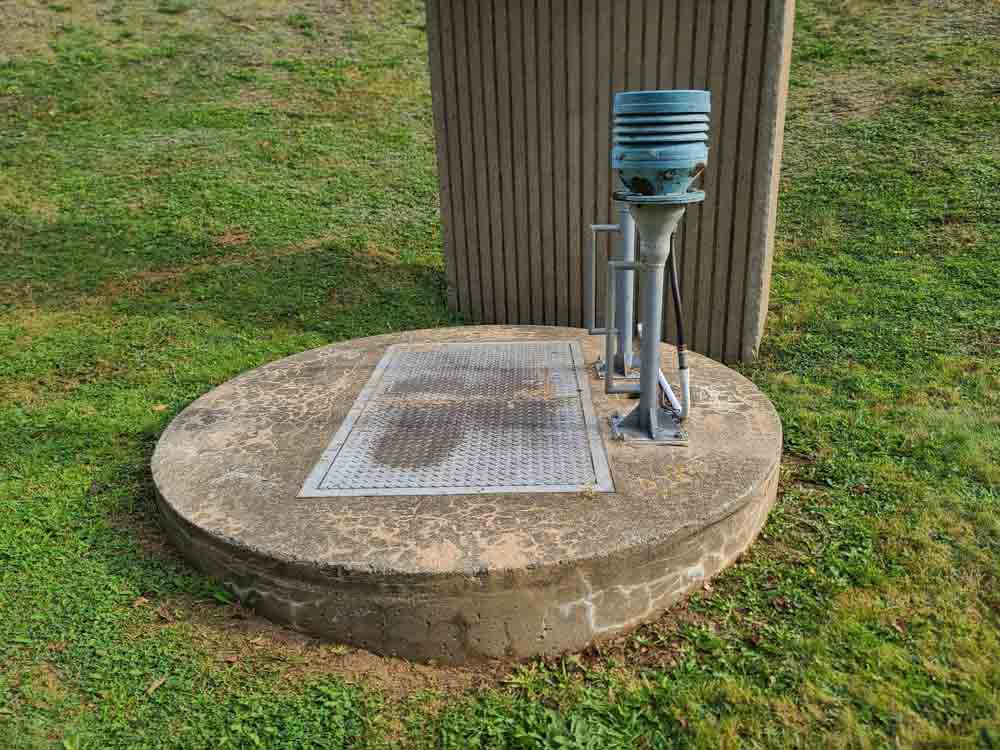
Private lift stations are commonly installed on properties where wastewater must be pumped uphill or across long distances to reach the public sewer system. Before buying, it helps to know the age of the pumps, the condition of the controls, and how often the system has been serviced. Las Vegas Septic Service frequently performs lift station pumping in Henderson, NV for buyers and owners trying to avoid unexpected problems after a sale closes.
Start With The Service Records
Ask for documentation tied to lift station maintenance. A well-maintained system usually has service logs showing inspections, cleaning dates, pump repairs, and alarm testing.
Follow up with questions like:
- How old are the pumps?
- When was the last inspection completed?
- Has the basin been cleaned recently?
- Were any backups or overflows reported?
The Environmental Protection Agency recommends regular inspection and maintenance of onsite wastewater infrastructure to help prevent system failures, backups, and public health risks. Missing records can be a warning sign that the system has been ignored.
Ask About Backup Power And Alarms
A sewage lift station depends on electricity to move wastewater uphill or over long distances. If the power goes out and there is no backup system, sewage can back up into the property.
Buyers should ask:
- Is there a backup generator?
- Does the alarm system still work?
- Who receives alarm notifications?
- How quickly can repairs be scheduled?
These answers help buyers assess how reliable the system will be during outages or emergencies
Know Who Handles Repairs
Private lift stations often require specialized service technicians, and not every plumbing contractor works on these systems. Some property owners struggle to find qualified service after moving in. Ask the seller who currently handles inspections, emergency calls, and pumping appointments.
It is also smart to ask if replacement parts for the pumps are still available. Older systems sometimes use discontinued components that are harder to source.
Frequently Asked Questions About Lift Stations
How often should the basin be cleaned?
Most private lift stations need cleaning every 6 to 12 months, depending on household size, wastewater volume, and grease buildup. Commercial properties may need more frequent service.
What items should never go down the drain?
Grease, wipes, paper towels, feminine products, diapers, and harsh chemicals can damage pumps or clog the system. Even products labeled “flushable” can create blockages inside the basin or discharge line.
What are signs the lift station may need service soon?
Common warning signs include foul odors near the basin, slow drains, unusual pump noises, alarm activation, or wastewater backing up into sinks or floor drains.
Does a lift station increase utility costs?
Because the pumps run on electricity, lift stations can slightly increase utility costs, especially if the pumps are older or cycling more often than normal.
Get A Closer Look Before You Buy
A private lift station should never be treated like a standard fixture. Las Vegas Septic Service helps residential and commercial property owners throughout the area with inspections, pumping, maintenance, and lift station service. Since becoming BBB Accredited in 2019, we have continued helping buyers and property owners make informed decisions before problems begin.
Call today for a lift station pumping.

SCHEDULE SERVICE

Our Services
Contact Las Vegas Septic Service Today
If you are looking for a septic service company in Las Vegas, NV, or nearby areas, then be sure to contact us here at Las Vegas Septic Service. No matter what septic tank problem you have, we can help you, so call us today or fill out the online form to schedule your appointment.
